
Quick Summary
Securing a Pasadena property requires a professional automatic gate installation engineered to withstand local environmental challenges like shifting clay soils and high wind loads. Absolute Gate Repair Solutions acts as the premier local expert by combining custom gate designs with advanced motor and access control integration for a seamless, secure entry system. Property owners can contact Absolute Gate Repair Solutions to request a free, no-obligation estimate for their automatic gate installation to ensure long-term durability and code compliance.
Automatic Gate Installation – Secure Your Property
Properties can face unique structural challenges, and securing a property requires more than just an off-the-shelf gate. If you are planning an automatic gate installation, you need a system engineered to handle local environmental conditions, such as wind and shifting soils. At Absolute Gate Repair Solutions, we design and install custom automatic gate systems that protect your property while operating reliably year after year.[3]
Properties require a balance of security and architectural charm. Our technicians are experienced with municipal building codes. We specialize in custom sliding, swing, and high-security gates integrated with modern access controls. Ready to protect your home or business with a smooth, reliable entry system? Contact Absolute Gate Repair Solutions to request a free, no-obligation estimate for your automatic gate installation today.[4] See also Access Control Installation in Pasadena That Lasts Beyond Day One.
Automatic Gate Installation: Costs and Solutions
Securing your property with an automatic gate involves balancing your upfront investment with long-term structural durability. According to HomeAdvisor, professional automatic gate installation costs typically range from $2,500 to $5,000, with an average price of $3,160. Because of soil and wind conditions, proper engineering is essential to avoid frequent repairs down the road.
What to Expect During Your Gate Project
When planning a driveway gate installation, selecting the right design is key. Sliding gates are a smart choice for space-constrained properties, while residential upgrades and commercial security needs remain primary drivers for these systems. Globally, sliding gates held the largest product share at 38.5% in 2025, driven by their space-saving design and inherent wind resistance. Market studies show that rising urbanization, security concerns, and the adoption of automation technology are primary growth drivers for automatic gate systems across residential, commercial, industrial, and infrastructure applications.[1]
For those searching for dependable local electric gate installers, our team provides expert design and execution. Our technicians at Absolute Gate Repair Solutions ensure your system integrates reliable motors and smart access controls, customized to withstand local environmental pressures.
What You Need Before Beginning Your Automatic Gate Installation
Before starting your project, you should check permit requirements with local authorities, establish a dedicated power source, and plan for soil and wind conditions. We help manage this site preparation for a smooth transition.
Permits, Tools, and Municipal Guidelines
System reliability starts with proper site preparation. Local municipalities often have specific guidelines regarding setbacks, meaning you should check local requirements during the planning phase.
| Preparation Phase | Key Requirements for Properties |
|---|---|
| Permits & Codes | Check permit requirements with local authorities, including building permits and setback rules. |
| Electrical Setup | Dedicated power line run to the gate post for automatic gate opener installation. |
| Site Dynamics | Deep-drilled footings engineered to resist wind and soil conditions. |
Choosing a team that understands local environmental conditions ensures your automatic gate installation cost delivers long-term value without unexpected structural failures.
Step 1: Evaluate Soil and Wind Dynamics
Need automatic gate installation?
We’re available now – call for a fast, free estimate.
Evaluating soil and wind dynamics before beginning your automatic gate installation helps ensure your system remains structurally sound against shifting clay and high-velocity winds. Proper site evaluation helps prevent post leaning, gate sagging, and premature motor failure by aligning hardware specifications with local environmental stressors.
Accounting for Soil Expansion and High Winds
In areas with clay-rich soil, the ground expands and contracts dramatically with seasonal moisture. This shifting can tilt concrete footings and cause gates to sag over time. Furthermore, powerful winds can exert massive forces on solid wood or metal panels. If your gate acts like a sail, the wind pressure can easily burn out a standard gate motor.
To prevent system failure, we at Absolute Gate Repair Solutions calculate structural load limits using local environmental data. For swing gates, wind resistance requires a higher horsepower automatic gate opener installation to prevent motor burnout. Factoring these environmental demands into your initial driveway gate installation helps prevent future failures, making them key variables in the total automatic gate installation cost.
Step 2: Select the Right Gate Type and Material
Selecting the right automatic gate type and material requires balancing aesthetics with engineering. Heavy wrought iron or reinforced aluminum gates paired with the correct sliding or swing mechanism help ensure long-term stability and prevent system strain during high-wind events.
Absolute Gate Repair Solutions customizes each system to ensure your automatic gate opener installation is matched to your property’s specific environmental forces.
Comparing Gate Systems
Sliding gates are a highly effective option, particularly for space-constrained properties. They are widely chosen for their space-saving design and inherent wind resistance.
Step 3: Pour Concrete Footings and Set Posts
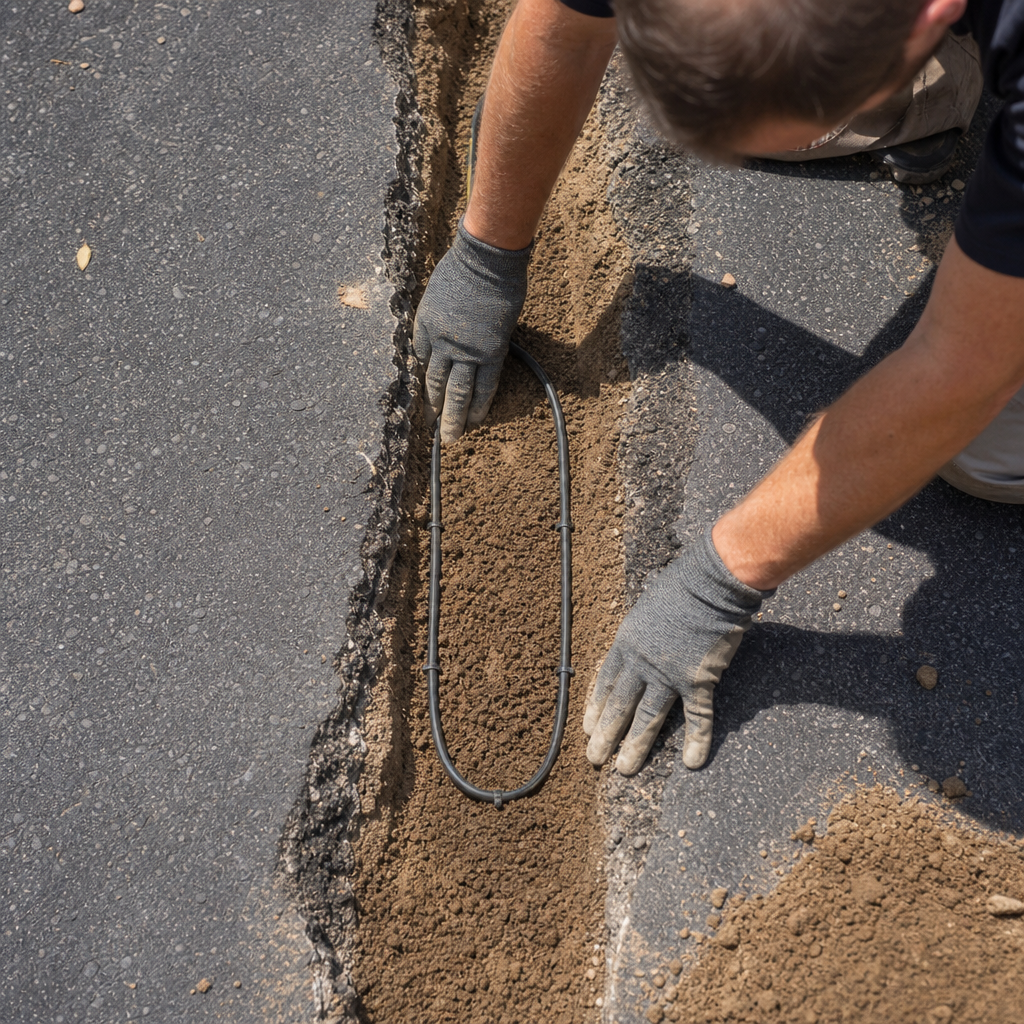
Establishing a Solid Foundation
Pouring concrete footings and setting posts requires digging below the soil-movement line and using high-strength concrete to anchor the system. This foundation helps ensure the gate withstands soil expansion and wind forces without sagging or shifting over time.
To protect your investment, professional foundation execution is vital. We implement a precise, multi-step structural process:
- Dig deep: Excavate post holes below the active clay expansion zone (often 36 to 48 inches) to counter shifting soil.
- Pour high-strength mix: Use commercial-grade concrete to anchor heavy steel or wood posts securely against high winds.
- Align precisely: Apply leveling instruments to guarantee zero structural lean, preventing future scraping.
Our heavy-duty reinforcement techniques prevent sagging, helping ensure your subsequent automatic gate opener installation operates reliably for years to come.
Step 4: Mount the Gate and Align Hardware
Mounting the gate and aligning its hardware requires precision to prevent premature motor wear caused by shifting soils and wind forces. Correct alignment ensures the gate hangs level, allowing it to glide smoothly without placing unnecessary physical stress on the automatic gate opener.
Hanging the Gate for Smooth Movement
To ensure local systems meet high standards, we use premium, commercial-grade hardware that minimizes wear and tear from daily operations and environmental strain. Executing this step correctly is vital to protecting your initial driveway gate installation investment.
- Install Heavy-Duty Hardware: Secure greaseable hinges or sealed steel track rollers engineered to handle local wind loads.
- Perfect the Alignment: Align the panels with precision levels to guarantee a balanced, smooth glide.
- Protect Weld Points: Apply rust-resistant coatings to all exposed welds to prevent moisture damage from seasonal humidity.
Step 5: Install the Automatic Gate Opener
Need automatic gate installation?
We’re available now – call for a fast, free estimate.
Installing the automatic gate opener involves mounting the drive motor to a heavy-duty concrete pad and connecting the mechanical drive arm or chain. This step transforms a manually aligned gate into a secure, automated system engineered to withstand local winds and soil shifts.
Mounting the Motor and Drive Mechanism
- Positioning for Leverage: Align the operator arm or slide chain to maximize mechanical leverage, reducing motor strain during high wind events.
- Securing the Housing: Bolt the motor housing to a cured concrete pad or reinforced post to prevent shifting from clay soil expansion.
- Wiring the Power: Connect a dedicated power line or configure a solar backup system.
While the overall automatic gate installation cost varies, partnering with local experts for your driveway gate installation helps ensure a proper, code-compliant automatic gate opener installation.
Step 6: Integrate Safety Sensors and Access Controls
Integrating safety sensors and access controls is a key step to secure your property, helping ensure your new driveway gate installation operates safely. We program these systems to prevent accidents while allowing smooth, remote entry.
Safety Systems
To prevent physical damage from wind or shifting soils, technicians follow a precise safety integration process:
- Mount photo-eye sensors to stop the gate if an obstacle is detected.
- Install vehicle detection loops for automated, hands-free exit.
Programming Smart Controls
We configure smart access controls, keypads, and intercoms. This remote monitoring capability protects your investment and keeps long-term automatic gate opener installation maintenance manageable.
How to Choose the Right Automatic Gate Installer Near Me
To choose the right automatic gate installer, prioritize local professionals who understand soil expansion and wind dynamics. Avoid contractors offering vague phone estimates, and instead opt for providers who offer transparent, written quotes to protect your investment.
Avoiding Common Pitfalls
A reliable driveway gate installation or automatic gate opener installation must be engineered for wind loads, not just basic gate weight. Ask potential installers about their experience with local permits and how they calculate footing depth for expansive clay soils.
Frequently Asked Questions About Automatic Gate Installation
Navigating a new driveway gate installation involves balancing local zoning codes, soil conditions, and budget. Here are direct answers to the most common questions property owners ask.
How much does automatic gate installation cost?
According to HomeAdvisor, professional automatic gate installation costs typically range from $2,500 to $5,000, with an average price of $3,160.
Can I install an automatic gate opener myself?
While DIY gate opener kits are available, professional installation is highly recommended. Properly installing an opener requires precise physical alignment, structural welding, high-voltage electrical wiring, and safety sensor calibration. A minor alignment mistake can put excessive strain on the motor, leading to premature failure.
What are the different types of automatic gates available?
The primary types of automatic gates include swing gates and sliding gates. Sliding gates are highly popular, accounting for 38.5% of the market share in 2025, because of their space-saving design and inherent wind resistance.[2]
Do I need a permit for automatic gate installation?
Permit requirements should be checked with local authorities. Many municipalities require electrical and structural permits to ensure compliance with local setback and safety codes.
How do I choose the right automatic gate installer near me?
Look for local electric gate installers who are fully licensed, bonded, and insured. Choose a company with a strong reputation, transparent upfront pricing, and specific experience dealing with local environmental conditions and clay soils. Avoid contractors who do not perform a physical site inspection before providing a bid.
Need automatic gate installation?
We’re available now – call for a fast, free estimate.
Sources
- Automatic Gate Systems Market Research Report 2033 – marketintelo.com (2034)
- Automatic Gate Systems Market Research Report 2034 – Dataintelo – dataintelo.com (2034)
- Automatic Gate Door Opening System Market – Emergen Research – emergenresearch.com (2034)
- Gate Openers Market Size & Growth | Industry Forecast [2034] – fortunebusinessinsights.com (2034)
Related reading: How to Fix Gate Access Problems Without Repeat Breakdowns
Related reading: Commercial Gate Repair Near Me: Restore Uptime Without Security Gaps
Related reading: How to Fix Gate Codes Without Lockouts or Security Gaps
Frequently Asked Questions
How long does a professional automatic gate installation typically take to complete?
A standard automatic gate installation generally takes three to five days to complete, allowing sufficient time for the concrete footings to fully cure. Absolute Gate Repair Solutions manages the entire timeline, from initial site excavation and post setting to final motor calibration and safety sensor testing.
Can I use solar power as the primary energy source for my automatic gate in Pasadena?
Yes, Pasadena's abundant sunshine makes solar-powered gate openers a highly viable primary power source, especially for properties where running a high-voltage electrical line is difficult. Absolute Gate Repair Solutions can assess your gate's weight and daily usage cycles to design an efficient solar panel and battery backup system tailored to your property.
What ongoing maintenance is required to prevent Pasadena's clay soil from throwing the gate out of alignment?
Property owners should inspect the gate's alignment bi-annually and lubricate the hinges and rollers to prevent motor strain. For long-term peace of mind, Absolute Gate Repair Solutions offers preventative maintenance plans to adjust sensors, check structural posts for shifting, and ensure the automatic system remains perfectly level against seasonal soil expansion.
About the author
 |
Sarah Miller Sarah Miller is a specialized content writer focusing on residential and commercial security infrastructure, with a particular interest in access control systems. She holds a B.A. in Communications from California State University, Northridge and has spent the last four years writing technical yet accessible guides for property managers and homeowners in Southern California. Her work highlights practical maintenance strategies and the importance of reliable emergency repair services. |